

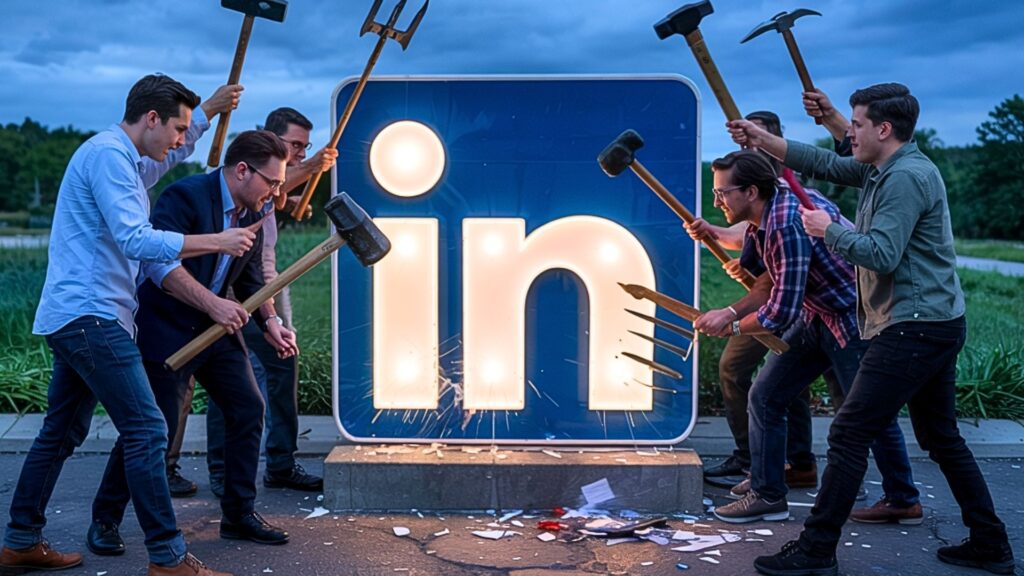
If you have ever cringed while scrolling your feed, you have probably wondered if LinkedIn professional networking is still worth the effort. While the platform has its downsides, from performative ‘broetry’ to relentless sales pitches, the opportunity to reach 1.3 billion decision-makers remains unmatched.
Spend any time on Reddit or Twitter and you’ll find a devoted bunch of people who cannot stand LinkedIn. They mock it, they criticise it. They refuse to use it.
So what happened? How did a professional networking platform become so divisive?
The Evolution from CVs to Cringe in LinkedIn Professional Networking
That’s the main complaint. “LinkedIn has become Facebook.”
LinkedIn started as a job platform. People used it to find work, connect with colleagues, and keep their CV updated. It was grown-up. Professional. A bit boring, even.
Then it became mainstream social media. People started posting content. Sharing opinions. Building personal brands. Doing outreach.
And with that came everything people hate about social media.
The Cringe
The cringe is real. And it takes many forms.
Performative posts that shoehorn life events into business lessons. “I got married this weekend. Here are 5 lessons about B2B sales.” “My dog died. Here’s what it taught me about leadership.” Nothing is just a moment anymore. Everything becomes content.
Humblebragging. “I’m so overwhelmed by the response to my keynote speech in front of 10,000 people.” “I never expected my company to hit £10m so quickly, I’m just grateful.” It’s bragging dressed up as gratitude or surprise.
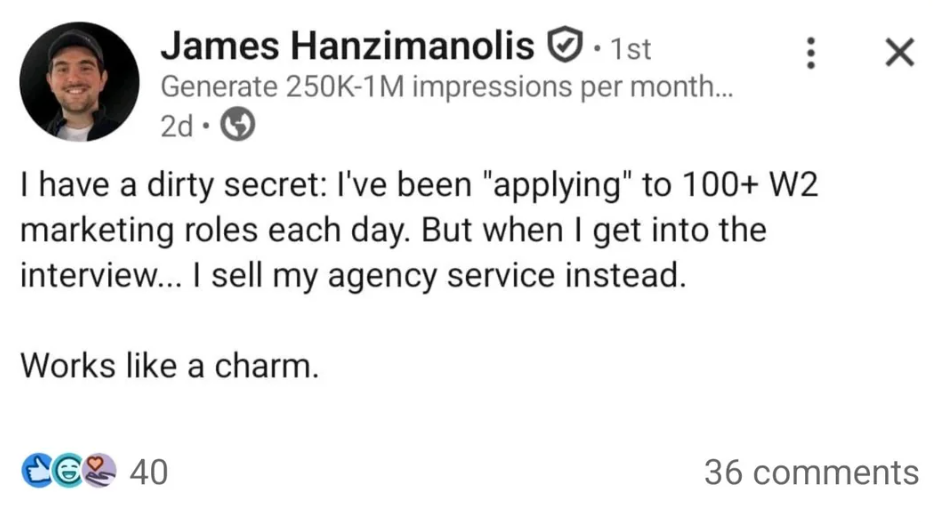
Flexing. Photos of first class flights. New car deliveries. Stage shots from conferences. “Another day, another speaking gig.” It’s showing off disguised as sharing.
The fake vulnerability. “I was rejected 47 times before I got my first client. Now I run a seven-figure business.” The struggle is always in the past. The success is always now. The lesson is always that you should keep going (and maybe buy their course).
The “a stranger taught me a lesson” stories. “I was sitting in an airport lounge when a cleaner said something that changed my entire approach to business.” These stories are almost always made up. Everyone knows it. But people keep posting them.
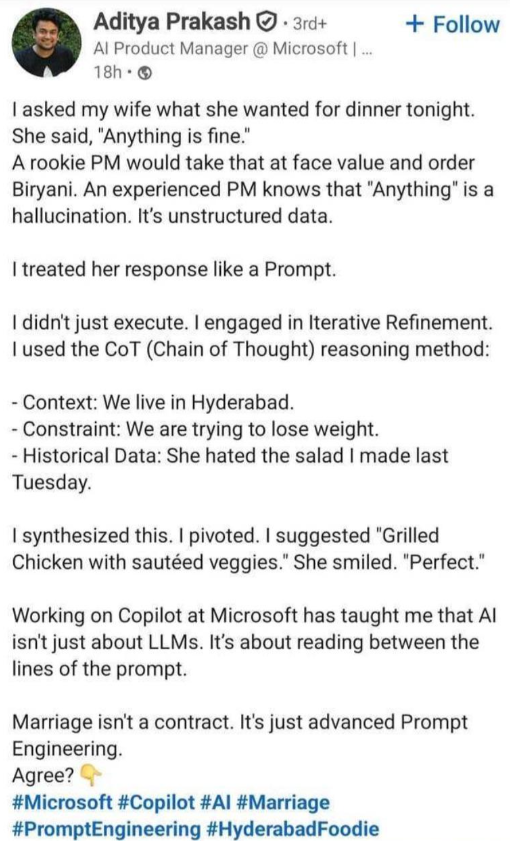
Broetry. One sentence per line. Designed to game the algorithm. Makes everything feel like a dramatic poem even when it’s just basic advice.
Engagement bait. “Comment YES if you agree.” “Tag someone who needs to hear this.” “Like if you’ve ever felt this way.” Desperate attempts to manufacture engagement.
When Relentless Outreach Destroys LinkedIn Professional Networking
The volume of irrelevant outreach on LinkedIn is brutal. And it’s more prominent than other platforms because LinkedIn gives people your professional details. They know your job title, they know your company. They know your industry.
As noted in the NALSC 2026 LinkedIn outreach analysis, thoughtful public commenting is becoming the ‘new cold outreach,’ earning attention far more effectively than the ‘spray-and-pray’ direct messages that people hate.
On other platforms, spam is expected; on a site dedicated to LinkedIn professional networking, it feels like a personal intrusion because your professional details are being misused.
So the pitches feel more targeted. And more intrusive.
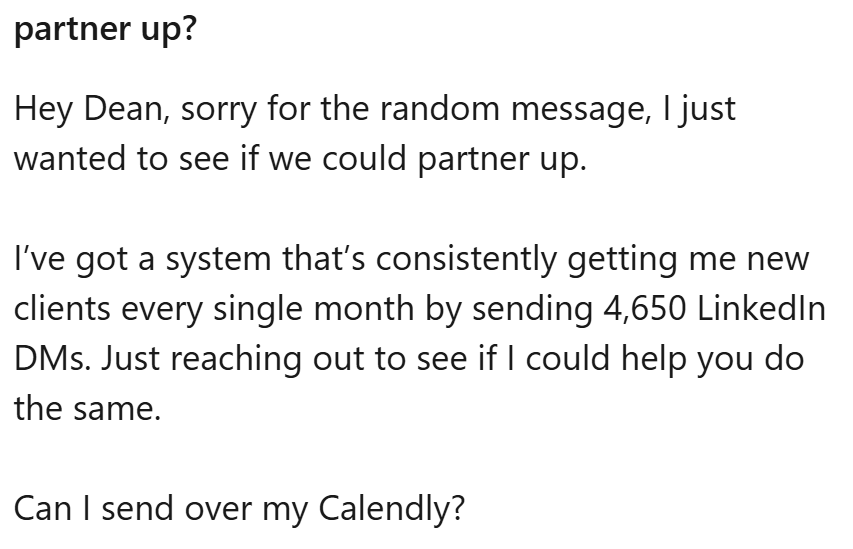
Connect, pitch, disappear. Connect, pitch, disappear. Over and over. The same templated messages. The same fake interest in your work before the pivot to their offer.
Every platform has spam. But on LinkedIn it feels personal because they clearly know who you are. They just don’t care whether their pitch is relevant.
Paid Features Keep Expanding
LinkedIn has moved more features behind paywalls. Things people used to do for free now require Premium or Sales Navigator.
For people who remember the old LinkedIn, this feels like the platform is squeezing them. And they resent it.
Every Platform Has Problems
Here’s the thing though. Every platform has its downsides.
Instagram promotes a fake version of life. People pretending to live a lifestyle they don’t actually have. Filters. Edits. Curated perfection.
Twitter is negative, abusive, and angry. Arguments everywhere. Pile-ons. Toxicity.
YouTube comments are brutal. Just scroll down on any video and see what people write.
LinkedIn’s quirk is the cringe. The performative professionalism. The humble brags. The flexing disguised as motivation.
Is it annoying? Yes. Is it worse than the abuse on other platforms? Probably not.
A Better Way: Reclaiming LinkedIn Professional Networking
LinkedIn has 1.3 billion users. It’s a platform that can get you access to decision makers, potential clients, collaborators, and opportunities.
You can reach people on LinkedIn that you simply cannot reach on other platforms. CEOs. Founders. Hiring managers. The people who make buying decisions.
Does it have cringey elements? Absolutely. Are there problems with outreach spam and performative content? Yes.
But it’s still a great platform to reach people and have real conversations with the right people.
You just have to use it differently than the people everyone complains about. The latest LinkedIn algorithm trends show that the platform is actually starting to penalize ‘cringe’ and reward genuine, high-intent conversations. Depth is finally beating breadth.
The haters have a point. Some of LinkedIn is awful. But writing off the whole platform because of the cringe means missing out on genuine opportunities.
You just have to use it differently than the people everyone complains about.